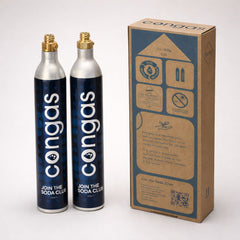
Cleaning and Care of PET Plastic Bottles
Bottle Cleaning and Care
First, there's something important: avoid exposing it to extreme temperatures. No dishwashers, no freezers, no heat sources, and no prolonged sun exposure. These factors can affect the material and shorten its lifespan.
Daily use
For daily use, you don't need to do much.
A simple rinse with lukewarm water before and after use is enough to keep it in good condition. When you're done, let it dry upside down and uncapped to prevent moisture from building up inside.
If you want to extend its cleanliness even further, a simple trick is not to drink directly from the bottle. Using a glass helps keep it more hygienic for longer.
More thorough cleaning
With use, it's normal for it to need a more complete cleaning from time to time.
Fill it with lukewarm water and add a few drops of mild soap. Hold it firmly and shake it gently so that the inside cleans without the need for excessive scrubbing.
Pay special attention to the top, where dirt tends to accumulate most. You can clean it with a soft cloth or sponge. If you use a brush, make sure it's gentle and suitable for this type of bottle, as hard materials can scratch the interior.
Afterward, empty the bottle and rinse it several times until the water runs completely clean. A good initial rinse, letting the water run for a few seconds, facilitates the rest of the process.
Drying
Let it air dry, always upside down and uncapped. This is the simplest way to prevent odors or accumulated moisture.
If you wish, you can dry the exterior with a soft cloth to maintain a good appearance, especially if it has metallic parts.
To keep in mind
Over time, the bottle will wear out. Therefore, it is important to check it periodically and replace it when appropriate to ensure safe use.
PET bottles have expiration date, after two years, they become brittle and can release invisible microplastics directly into your drinking water.